Expertise
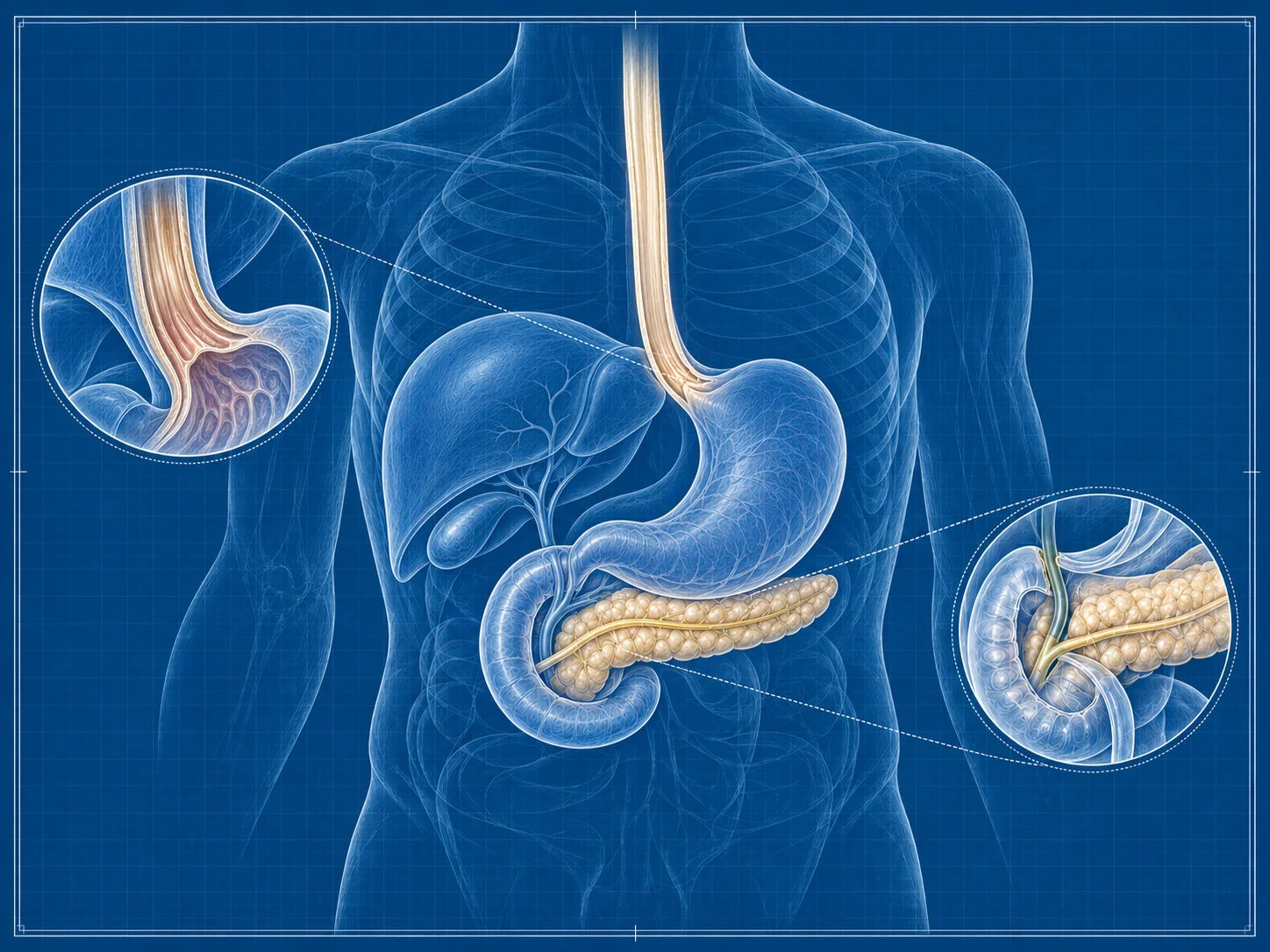
Two major fields of abdominal surgery – bridging traditional boundaries
Dr Meier’s work focuses on two highly complex and closely related areas of abdominal surgery: upper gastrointestinal and hepatopancreatobiliary (HPB) surgery, with particular emphasis on minimally invasive and robotic procedures.
Although traditionally regarded as separate subspecialties, upper GI and HPB surgery are closely connected anatomically and functionally. Experience across both fields can therefore provide a broader perspective on complex clinical situations and facilitate the transfer of surgical principles, techniques and treatment concepts across traditional subspecialty boundaries.
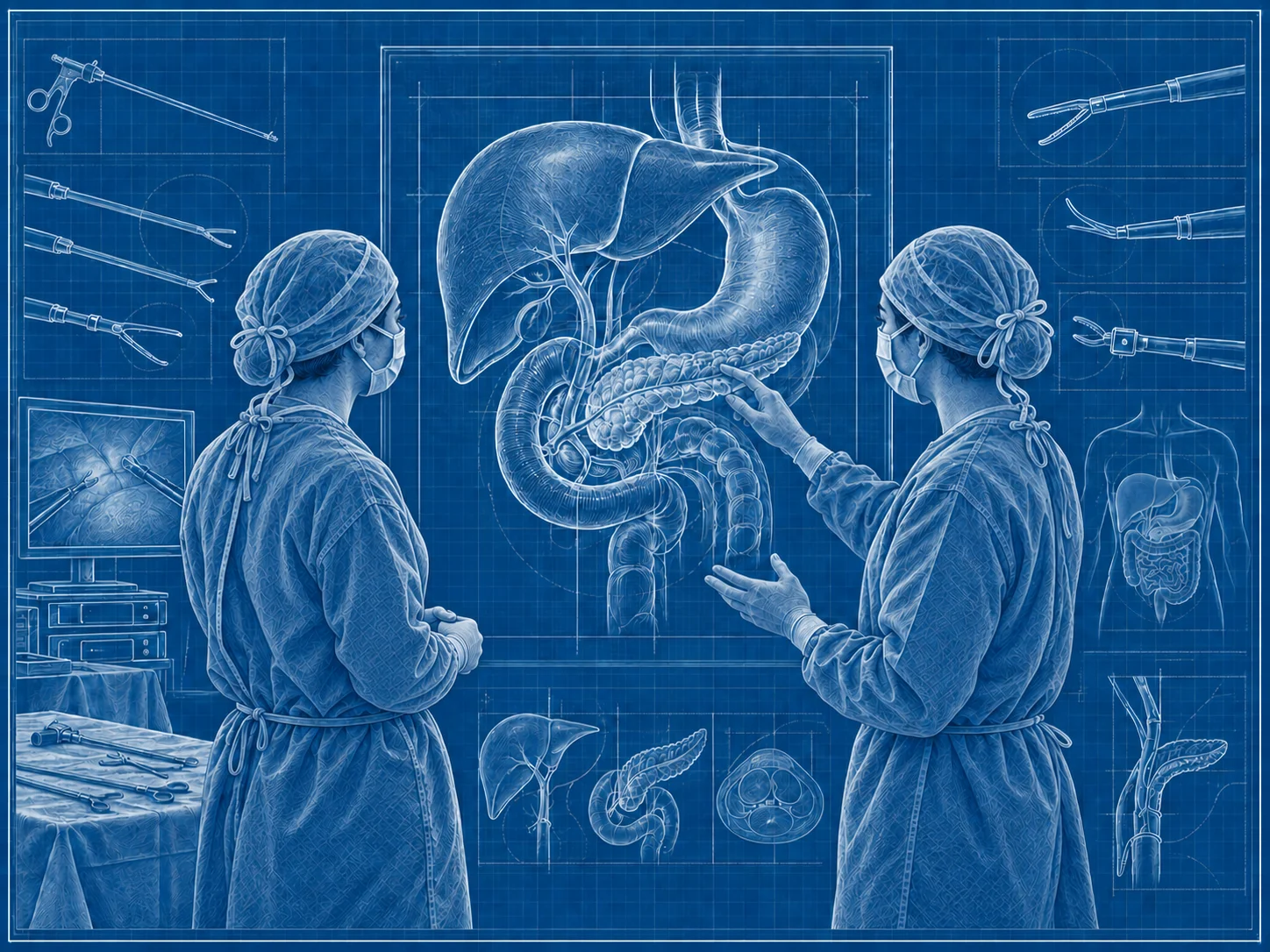
Training and long-term collaboration with internationally renowned experts
Dr Meier had the privilege of developing her surgical knowledge and technical skills through many years of close, day-to-day training and subsequent clinical collaboration with Prof Paul Schneider in oesophageal and gastric surgery and Prof Jan Schmidt in hepatobiliary and pancreatic surgery.
These long-standing professional relationships continue today and remain an important part of her clinical work, surgical development and exchange of experience in complex upper GI and HPB surgery.
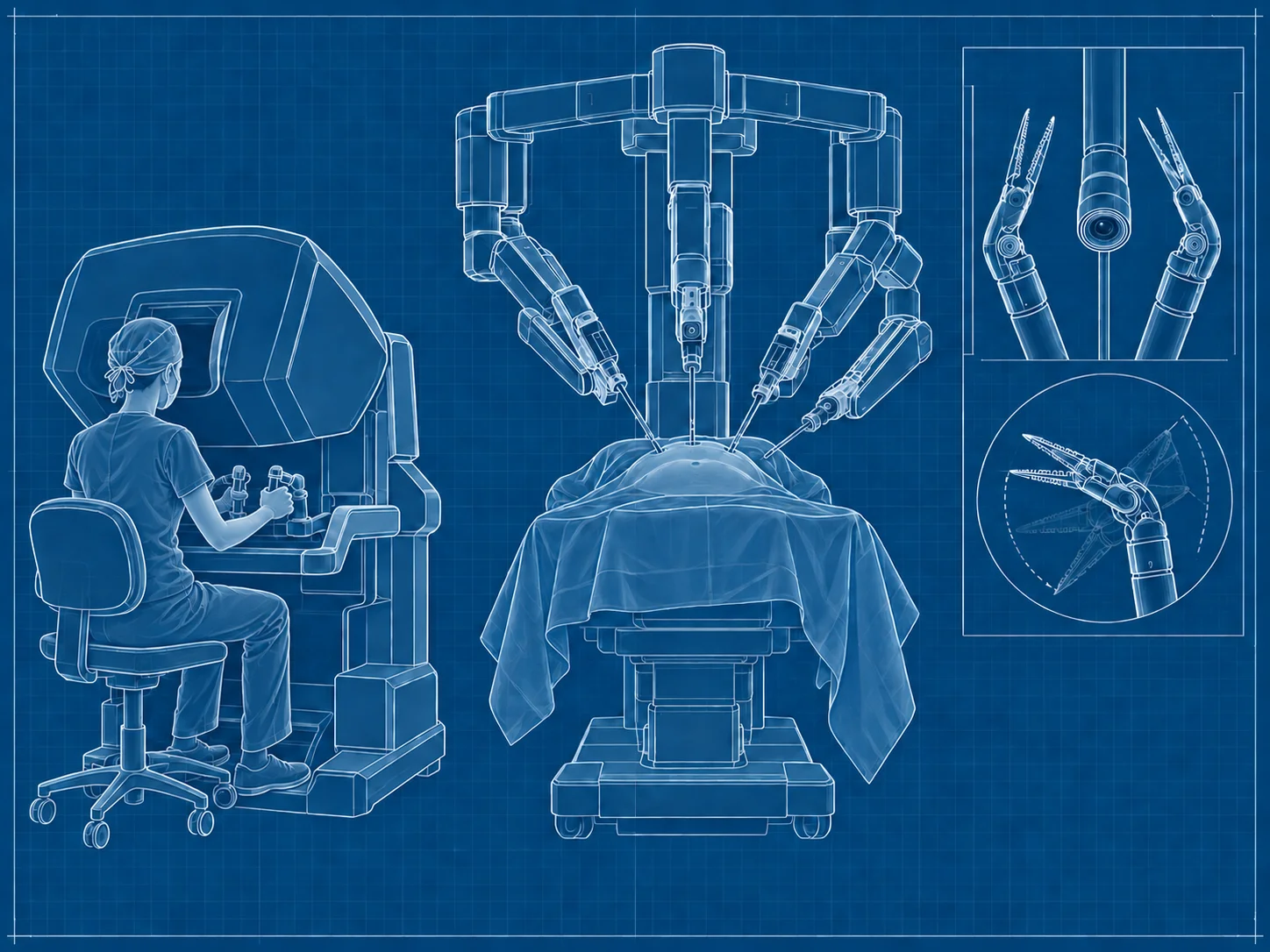
Focus on robotic surgery
Robotic surgery became an important part of Dr Meier’s surgical practice early in her training and has since developed into one of the central areas of her clinical and academic work.
Selected for an ESDE Fellowship – a specialised fellowship programme of the European Society for Diseases of the Esophagus – she further refined her expertise in robotic oesophageal and gastric surgery at University Medical Center Mainz. The clinical and scientific collaboration established during the fellowship has continued beyond the fellowship period.
Regular visits to specialised surgical centres in Japan complement this experience, particularly at the National Cancer Center Hospital in Tokyo, Tokyo Medical University and the National Cancer Center Hospital East in Kashiwa.
Broad experience for complex clinical situations
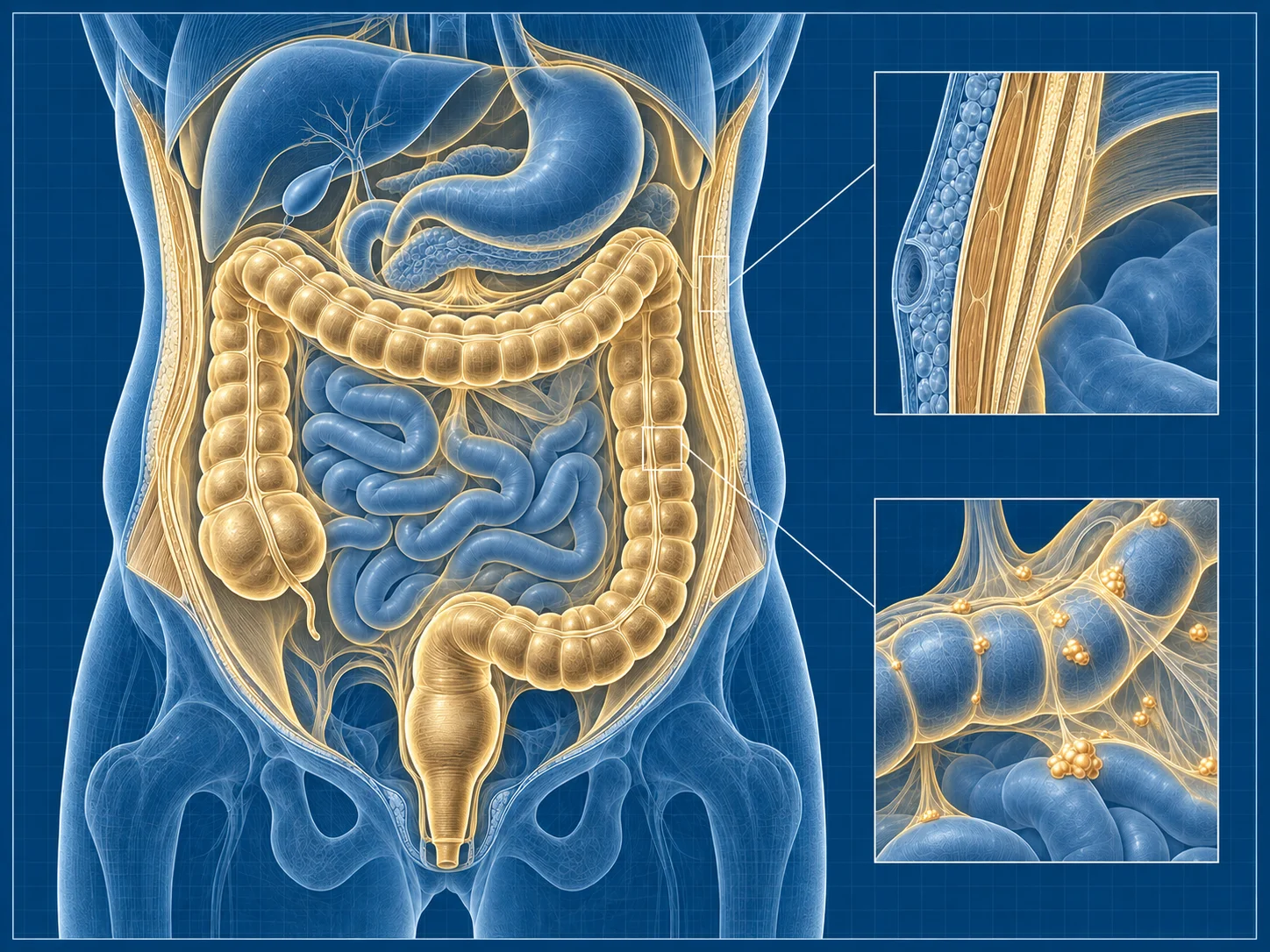
In addition to upper GI and HPB surgery, Dr Meier’s regular clinical work includes colorectal surgery, cytoreductive surgery for diseases involving the peritoneum, and abdominal wall surgery.
During her clinical visits to Japan and other specialised centres, she also seeks exposure to developments in these fields, particularly within high-volume departments with extensive experience in minimally invasive and robotic surgery.
This broader surgical experience allows concepts and techniques from different areas of visceral surgery to inform one another. In complex clinical situations, it can help to place individual treatment options into a wider context and support the development of a treatment strategy tailored to the individual patient.